

Find the best haematology hospital in India- Meet the best bariatric surgeon in India
A 2021 report shows that 24 per cent of the global population was struggling with haematological issues. And in India, this seems like every home’s problem. Most people in India are struggling with haematological issues.
Various reports indicate that haematology is a concerning issue, especially in girls. At Medi Global our doctors diagnose your problem using the latest technologies.
30+
Partner Hospitals
15+
Medical Services
20,000+
Global Patients
1,000+
Surgeries Done
50,000+
Happy and Satisfied Patients
Patient Centric Approach
Sucess Stories
Best haematology hospitals in India
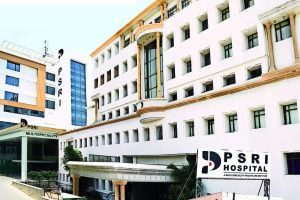
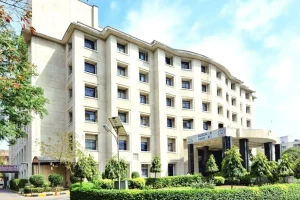
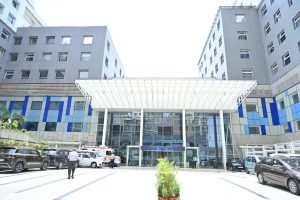
Here is a list of the best hospital in India that are offering haematology-related services. These hospitals are renowned for their world-class services.

Find the best bariatric surgery in India now!
What makes MediGlobal Special
Medi Global is associated with the best hospitals and doctors around the world. In this way we offer the quality services at an affordable price. If you are looking for an affordable hospital, then Medi Global will help you find the best doctor near you.
Our Specializations
- General Medicine
- Orthopaedics
- General Surgery
- Urology
- Nephrology
- Gynaecology
- Neurology
- Paediatrics
- Cardiology
- Oncology (Cancer Care)
- Neurosurgery
- Liver Transplant
- Bone Marrow Transplant
- IVF
- Cosmetic treatments
Chat with our Experts Now!
Treatment Cost
Haematology treatment at Medi Global is very affordable compared to the other hospitals in India.
Pediatric Bone Marrow Transplant
$6,393 to $8,524 USD
Bone Marrow Transplant
$7,992 to $10,656 USD
Haploidentical Bone Marrow Transplant
$13,320 to $17,760 US
Compare bariatric surgery costs in India – Find the Best One for you
MediGlobal’s Successful Stories
Our success stories build trust within our patients and give them hope. That’s why they chose Medi Global for their next treatment. We offer the best bariatric surgery in India along with other surgeries.
Meet our specialised team of Doctors
Here is a list of our specialised doctors:

Dr. Meera Sikka
Designation: Head of Haematology Department
Speciality: Clinical Haematology, Blood Disorders
Hospital: Mediglobal
Highlights: Leads the haematology department managing extensive diagnostic and treatment services for blood disorders
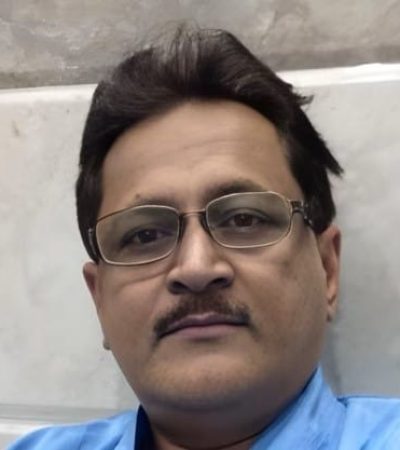
Dr. Satendra Sharma
Designation: Incharge of Haematological Laboratory Services
Speciality: Haematology Lab Management, Blood Disorder Diagnostics
Hospital: Mediglobal
Highlights: Oversees haematology lab services including peripheral smear, coagulation tests, and blood counts.
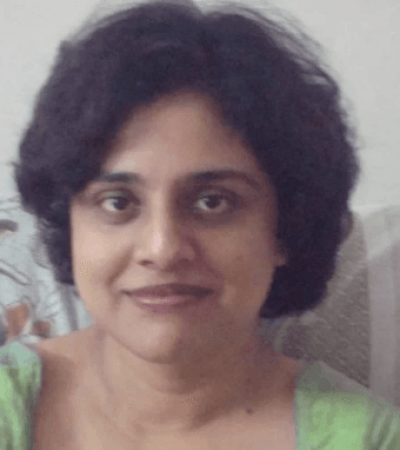
Dr. Mrinalini Kotru
Designation: Incharge of Hematology department
Speciality: Blood Disorder Diagnostics and Treatment
Hospital: Mediglobal
Highlights: Experienced in haematological diagnostics and clinical management of various blood ailments.
Why Choose MediGlobal
- MediGlobal connects patients with doctors worldwide.
- We have various centres in many countries
- Our hospitals are offering various organ transplantation services
- Guaranteed results
- Remote consultations in multiple languages
- Continuous feedback to enhance recovery
- Post discharge support via call
- From the Visa application to post-care support
Requirement for International Patients
International patients at MediGlobal have to follow these steps for a smooth process and positive experience. Here is the requirement for international patients planning for Cancer Surgery in India.
1. Contact the consent team and submit the medical reports
2. In the second step, you will receive a personalised plan with your cost estimate.
3. Get an invitation letter to obtain a visa for your treatment.
4. Make payment, once you arrive at the hospital and start your medical journey.
Contact Us
Contact our team and find the best slot for your convenience. Let MediGlobal help you to live a longer and healthier life.
You can connect with us on:
WhatsApp:
+91 8287739641
Email:
connect@themediglobal.com
Location:
Delhi, India
FAQ
Frequently Asked Questions
How is safety ensured during bone marrow transplants (BMT)?
Hospitals must comply with the National Guidelines for Stem Cell Research and be registered under NOTTO.
How can I confirm a hospital’s BMT authorization?
Ensure the hospital is certified under the Transplantation of Human Organs Act, 1994.
Is stem cell treatment used for other diseases?
Only for approved conditions like certain blood cancers and autoimmune disorders. Other uses are still under clinical trials.
How long do BMT patients stay in the hospital?
Post-transplant, patients stay isolated for 4–6 weeks. Total stay, including recovery, often spans around 3 months.
Can hospitals help find a BMT donor?
If no family match is found, hospitals can search volunteer donor registries for a suitable match.
What affects the cost of a BMT?
The type of transplant (autologous/allogeneic), hospital stay, testing, and follow-up care all impact total cost.
What support is available after the transplant?
Patients receive infection control care, medication, nutritional support, and regular health monitoring.
What facilities do top BMT hospitals provide?
Look for advanced labs, HEPA-filtered ICUs, HLA matching services, and dedicated BMT units.
Can I connect with past patients?
Yes, platforms like MediGlobal can help you speak with previous patients or access their testimonials.
How to choose the best hospital for blood disorders?
Evaluate hospital reputation, doctor experience, available treatments, safety protocols, and patient reviews.
What are BMT success rates in India?
Success rates typically range from 60% to 90%, depending on patient health and procedure type.
What certifications should a BMT hospital have?
The hospital must be NABH/JCI accredited and follow transplant laws for credibility and patient safety.
How can MediGlobal help in finding care?
They offer tailored hospital/doctor recommendations, visa help, cost estimates, and logistical support.
What visa do BMT patients and donors need?
Patients must apply under the medical visa category, while donors should apply under the attendant category.
What blood conditions are treated in India?
Conditions include leukemia, lymphoma, thalassemia, sickle cell disease, myeloma, hemophilia, and ITP.
How do hospitals ensure legal compliance for bone marrow transplants (BMT)?
Hospitals follow NGSCR and NOTTO guidelines, ensuring ethical and safe transplant procedures.
How to check if a hospital is authorized for BMT?
Only centers registered under the Transplantation of Human Organs Act, 1994, are permitted to perform BMTs.
Can stem cells be used for non-cancerous diseases?
Currently, BMT is limited to approved blood disorders and autoimmune diseases; other uses are still under trial.
How long is a BMT hospital stay?
Patients typically stay in isolation for 4–6 weeks post-transplant, followed by 6–8 weeks of outpatient recovery.
Can hospitals arrange a donor for BMT?
Yes, hospitals can search national donor registries for HLA-matched unrelated donors if family members are not suitable.
What determines the cost of BMT in India?
Costs vary based on transplant type, ICU care, medications, and duration of hospitalization.
What follow-up care do BMT patients receive?
Patients undergo close monitoring, regular testing, and preventive care in a sterile environment during recovery.
What facilities should a BMT hospital have?
Top centers feature HEPA-filtered rooms, modern labs for HLA typing, infusion equipment, and infection-control systems.
Can I speak to past patients?
Yes, hospitals or platforms like Mediglobal can connect you with previous BMT patients for shared experiences.
How to select a top BMT hospital in India?
Choose based on accreditation, specialist expertise, infection control standards, and success rates.
Who is the best haematologist in India?
There are various doctors in India, who are known for their high success rates. Some of the best haematologists in India, include Dr. Rahul Bhargava, Dr. Dharma Choudhary and Dr. Gaurav Kharya.
Who is the father of haematology in India?
Professor J.B. Chatterjea is widely known as the father of haematology in India. He established the haematology department at Calcutta School of Tropical Medicine. He also developed the centre making it a research centre to study diseases.
How many types of Haematology are there?
The are four major areas of study within haematology. These four major study areas include hemoglobinopathies, Hematologic malignancies, anaemia, etc.
What diseases come under haematology?
Here is a list of diseases that come under haematology: anaemia, bone marrow failure, enzyme deficiencies, iron metabolism disorder and thrombosis, etc. These diseases came directly under the haematology department.
Which foods increase haemoglobin?
Foods that are rich in iron, such as red meat, leafy green vegetables and legumes, will help you to increase haemoglobin production. Eating foods rich in vitamins, such as citrus fruits and bell peppers, also enhances the production of haemoglobin.
Get in Touch Now
For any enquiry reach out to us today We are here to help you every step of the way