

Doctor’s Training (Specialized / Super Specialized)
Complete Handbook for Medical Education and Training
Training and education are a key part of a medical professional’s career journey. Thanks to online healthcare courses, doctors now have easier access to specialized learning that helps them grow their knowledge. Whether it’s general medical training or focused programs like cardiology training, continuous learning helps doctors stay informed about the latest changes and advancements in the medical field.
This guide explains various parts of doctor education and training. It includes details about training for dermatologists, gynecologists, and other medical specialties. We’ll also talk about the importance of online medical training and answer some common questions related to medical education.
The Role of Education and Training in a Doctor’s Journey
Medical education doesn’t end with earning a degree. Doctors need to keep learning and updating their skills through regular training. This ongoing process helps them stay informed about the latest developments in medicine, which is important for giving better care to patients and maintaining high standards in their profession.
Cost Savings
One of the main reasons people choose to travel for medical treatment is the significant cost savings. For instance, instead of getting a heart surgery or dental implant in the US or Western Europe, having the same procedure done in countries like India or Mexico can save a large amount of money.
Latest Treatment Choices
Some countries are known for their expertise in specific medical fields and have developed advanced treatments. Patients often travel to these places for better care, especially when such treatments are not available in their own country.
Minimal Delays
In some countries, people who rely on public healthcare often face long waiting times for certain treatments. Medical tourism offers an alternative for those who need quicker access to medical care. It also allows patients to choose from a wider range of hospitals and specialists based on their needs and budget.
Travel for Better Treatment
Recovering from an illness or getting medical treatment in another country often brings added benefits to the overall experience. Patients can also enjoy a peaceful environment and explore new cultures, which can support emotional and mental healing.

Benefits of Online Health Training
- Learn at Your Own Pace: Doctors can study anytime and manage their work and learning side by side.
- Saves Money: Online courses usually cost less than traditional classroom programs.
- Learn from the Best: The training includes sessions by top medical experts from around the world.
- Career-Focused Options: Courses can be adjusted to match personal career goals and interests.

Main Advantages of Continuing Medical Education
- Better Patient Care: Learning new updates helps doctors diagnose and treat patients more accurately.
- Career Growth: Gaining expertise in a specific area can lead to new job roles and advancement.
- Fulfilling Legal Requirements: In many countries, doctors must complete CME to keep their medical licenses active.
- Staying Updated with Technology: Learning about the latest tools and machines helps deliver faster and more effective treatment.
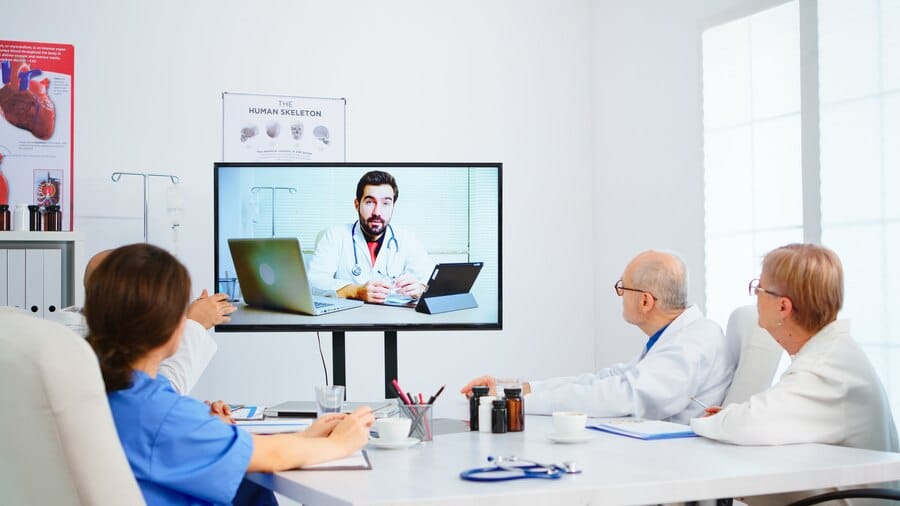
Online Healthcare Training for Doctors
The Growth of Online Medical Learning
With the rise of e-learning, many doctors now prefer online training to improve their skills without stepping away from their daily work. Several platforms offer focused courses in different medical fields, allowing professionals to study whenever it suits their schedule.This flexible approach not only saves time but also helps doctors stay updated with the latest advancements in their specialty.

Training Doctors to Become Good Teachers
Why Should Doctors Learn How to Teach?
Many doctors eventually take on teaching roles, whether in medical colleges or while guiding junior doctors. That’s why learning how to teach is an important skill for physicians. Proper training helps them become better educators and share their knowledge more effectively.It also builds confidence and improves communication when explaining complex medical topics to students or patients.
Key Areas Covered in Doctor Training:
- Understanding Teaching Methods in Medicine
Doctors are introduced to different styles of teaching and how they can use them to suit different learners. - Designing Courses and Training Modules
This includes learning how to plan lessons, structure content, and create helpful training programs. - Improving Communication Skills
Doctors learn how to explain medical information clearly and to the point, so students can easily understand. - Assessing and Giving Feedback
Training includes how to check a student’s progress and give feedback that helps them improve.
Both online and offline training options are available today, making it easier for doctors to access education programs while continuing their medical practice.
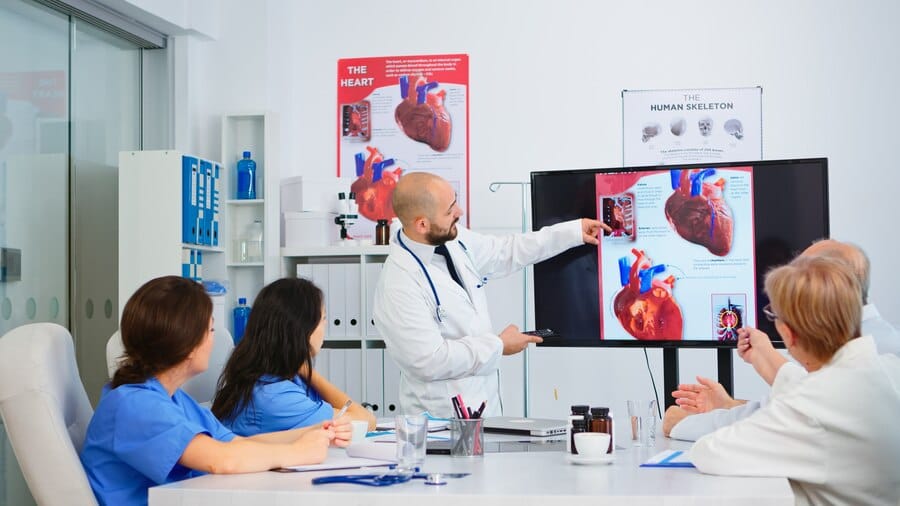
Cardiologist Education and Training
Steps to Become a Cardiologist
Cardiology is a medical branch that deals with identifying and treating heart-related diseases. Becoming a cardiologist requires years of dedicated learning and hands-on clinical experience.This specialty demands strong analytical skills and a deep understanding of how the heart functions.Steps to Become a Cardiologist
- Complete a medical degree (MBBS or MD)
- Do a residency in Internal Medicine
- Get a Cardiology Fellowship, which usually takes 2 to 3 years
- Earn board certification in Cardiology
Additional Specialized Training Options
- Interventional Cardiology
- Electrophysiology
- Heart Failure and Transplantation
Many medical education platforms also offer online cardiology courses. These help doctors stay updated with the latest heart treatment methods and medical advancements.
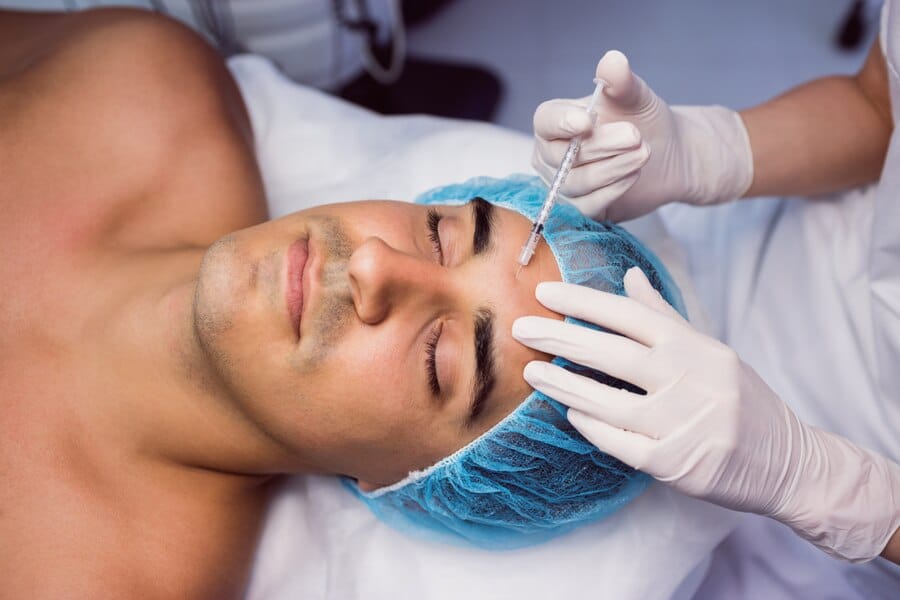
How to Become a Dermatologist
Dermatology is a branch of medicine that deals with conditions related to the skin, hair, and nails. Becoming a dermatologist requires dedicated education, training, and hands-on experience.Dermatologists treat a wide range of issues, from common skin rashes to complex autoimmune disorders. They also play a key role in early detection of skin cancers and help patients improve their overall skin health.Cosmetic dermatology is another growing area, focusing on treatments like Botox, fillers, and laser therapies.
With advances in technology, dermatologists now use digital tools and imaging for better diagnosis and treatment planning.
Steps to Become a Dermatologist
- Complete a medical degree (MBBS or MD).
- Enroll in a dermatology residency program, which usually takes 3 to 4 years.
- Clear the required board certification exams.
- Pursue additional training in areas like cosmetic dermatology or pediatric dermatology for more specialization.
Popular Dermatology Training Programs
- Laser treatment courses
- Cosmetic dermatology training
- Hair and scalp disorder programs
Thanks to online platforms, many dermatologists can now access these specialized training courses from anywhere, making it easier to upgrade their skills and stay updated.

Gynecologist Education and Training
Steps to Become a Gynecologist
Gynecologists are doctors who focus on women’s reproductive health. Their education and training include both medical knowledge and hands-on surgical experience.They diagnose and treat issues related to menstruation, fertility, pregnancy, and menopause. Gynecologists also perform surgeries like hysterectomies, C-sections, and laparoscopic procedures. Many gynecologists choose to further specialize in areas like maternal-fetal medicine or reproductive endocrinology. Regular check-ups with a gynecologist help in early detection of conditions like cervical cancer and hormonal imbalances.
Steps to Become a Gynecologist:
- Complete a medical degree (such as MBBS or MD)
- Finish a residency program in Obstetrics and Gynecology, which usually takes 4 years
- Pass the board certification exam in gynecology
- Go for advanced training in a specific area like maternal-fetal medicine or reproductive endocrinology
Specialized Training Options in Gynecology:
- Training in minimally invasive gynecologic surgery
- Courses on managing high-risk pregnancies
- Programs focused on infertility treatments
These days, many online platforms also offer continuing education courses in gynecology. This helps medical professionals stay up to date with the latest practices and improve their skills at their own pace.
Get in Touch Now
For any enquiry reach out to us today We are here to help you every step of the way